CODEXLABS / Services

Mobile app development in Tashkent

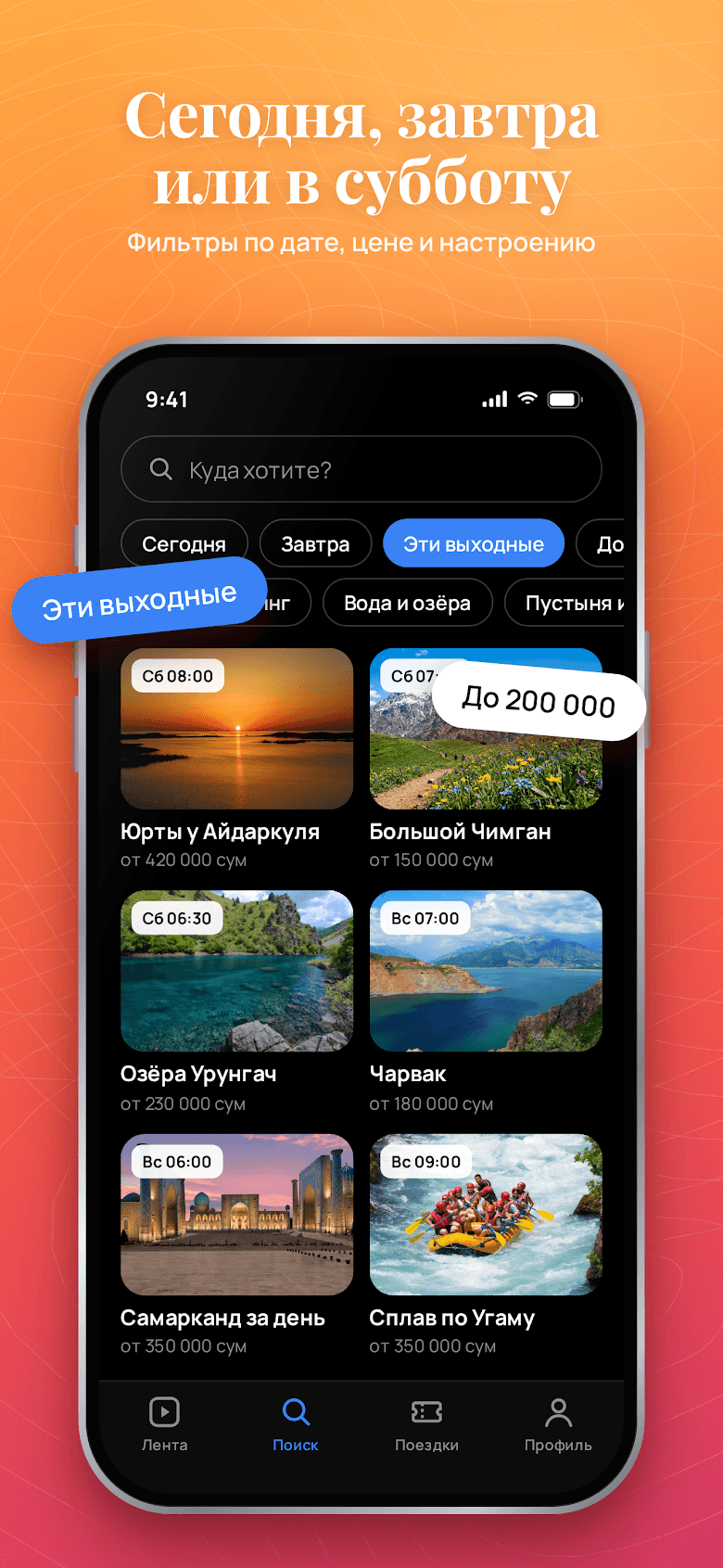
We turn a recurring customer task into a mobile product: booking a trip, learning, tracking workouts or using a personal account. The core user journey defines the product, rather than a long feature list.

Discuss a project ↗

An app makes sense when customers return regularly or need device capabilities. For an occasional purchase, a responsive website may be enough. We compare the options before committing to two platforms.

What is included

  • User journey map and an interactive prototype.
  • Mobile UI with loading, error and empty states.
  • Backend, management tools and integrations agreed in scope.
  • Builds and materials prepared for store submission.

How we work

  1. Understand the main journey, roles and data needs.
  2. Review a prototype and select the technical approach.
  3. Build the product, validate critical paths and prepare release.

How we estimate cost

Platforms, offline behaviour, video, payments and administration affect the budget. Publication also depends on company accounts and store review. Maintenance and future releases are scoped separately.

What to bring to the conversation

Describe what users do every week, what data you need to store and whether a backend already exists. Include payment, cancellation and access rules where relevant.

Which app journey does your business need?

Orders and bookings

Customers choose a service or date, receive confirmation and track status. Staff tools, notifications and integrations are separate scope items.

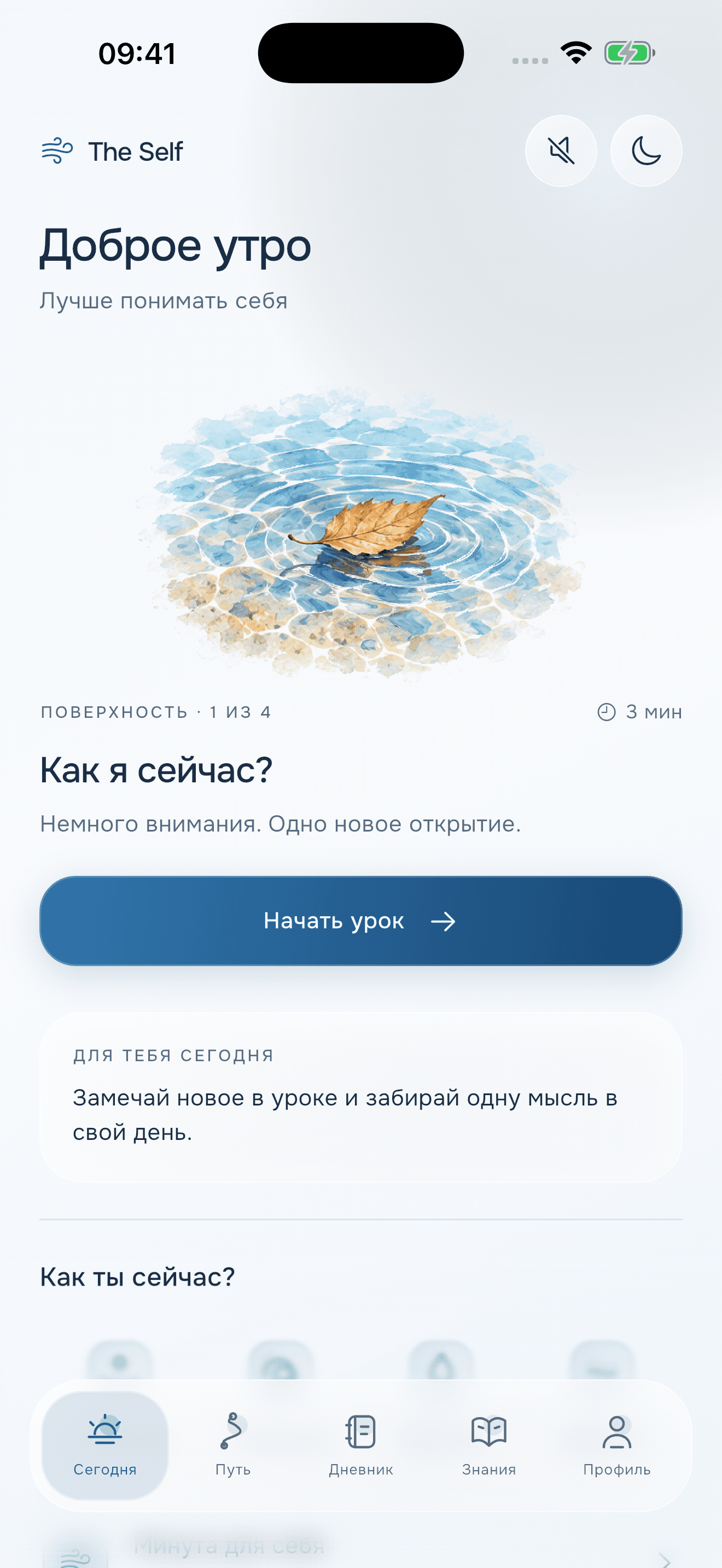
Learning and personal progress

Lessons, exercises, journaling or activity history. Agree offline access, progress storage and whether an account is necessary.

Validate an app idea

Choose one first-release journey rather than including every future feature in the initial budget.

MVPs and new products ↗

Avoid a separate app installation

For occasional use, compare a responsive website or Telegram Mini App with a dedicated mobile app.

Telegram bots and Mini Apps ↗

Start with the journey, then the platform

An app for a recurring task

Learning, journaling, workouts or a personal account. Define why someone returns, what the home screen offers and how progress is saved.

Ordering and booking

Search, availability, payment and cancellation share business rules. Describe successful and failed journeys before designing screens.

An existing product

Start with the code, APIs and release constraints. New features need to account for existing users and their data.

How we break down the budget

We estimate the app, backend, content tools, integrations and release preparation separately. Device requirements inform the iOS and Android approach. The estimate names dependencies such as API readiness, content and store accounts.

Acceptance criteria to agree

  • The core journey works from the first screen to the intended outcome on agreed devices.
  • Loading, no network, empty data and external service failures leave users with a clear explanation.
  • Authentication, storage and device permissions match the agreed data model.
  • If payments are included, repeated requests, cancellation and confirmation are checked in the payment provider’s test environment.

Store preparation and handover

We identify who owns the App Store and Google Play accounts early. Builds, descriptions, screenshots, access and data disclosures are agreed in scope, together with source code and instructions. Stores control approval; future OS updates and maintenance are planned separately.

Costs beyond development

Developer accounts, servers, SMS, maps, video, payment fees and other external services. Before launch, establish who pays for them and how costs change as usage grows.

Before we start

Can you deliver both iOS and Android?

Yes, when both are included in scope. The implementation depends on device features, UI requirements and maintainability.

Is store approval guaranteed?

Apple and Google make the approval decision. We prepare the application and help address feedback, but cannot guarantee an approval date.

Can you use our existing backend?

Yes. We review API documentation, authentication, limits and test-environment access before estimating.

What can the app do without an internet connection?

Choose which saved information can be read and which actions can wait until reconnection. A draft can be saved on the device, while current availability or a confirmed booking requires the server. Synchronisation and conflict rules are part of the development scope.

How do we decide whether users need an account?

An account helps with order history, saved progress and use across devices. Browsing a catalogue or exploring the product can often work without registration. If sign-in is required, plan account recovery and deletion from the start.